


If you are a great admirer of Avocado and, in addition to eating it, want to get to know it thoroughly, you have come to the right place. Today we will try, with quite technical arguments but simple words, to explain the many peculiarities that make Avocado unique and therefore so precious.
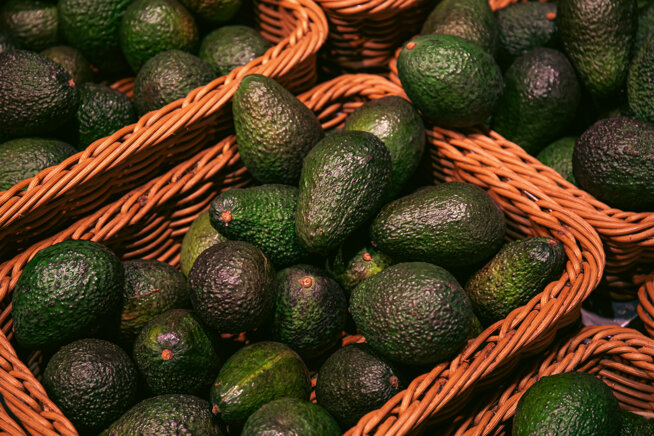
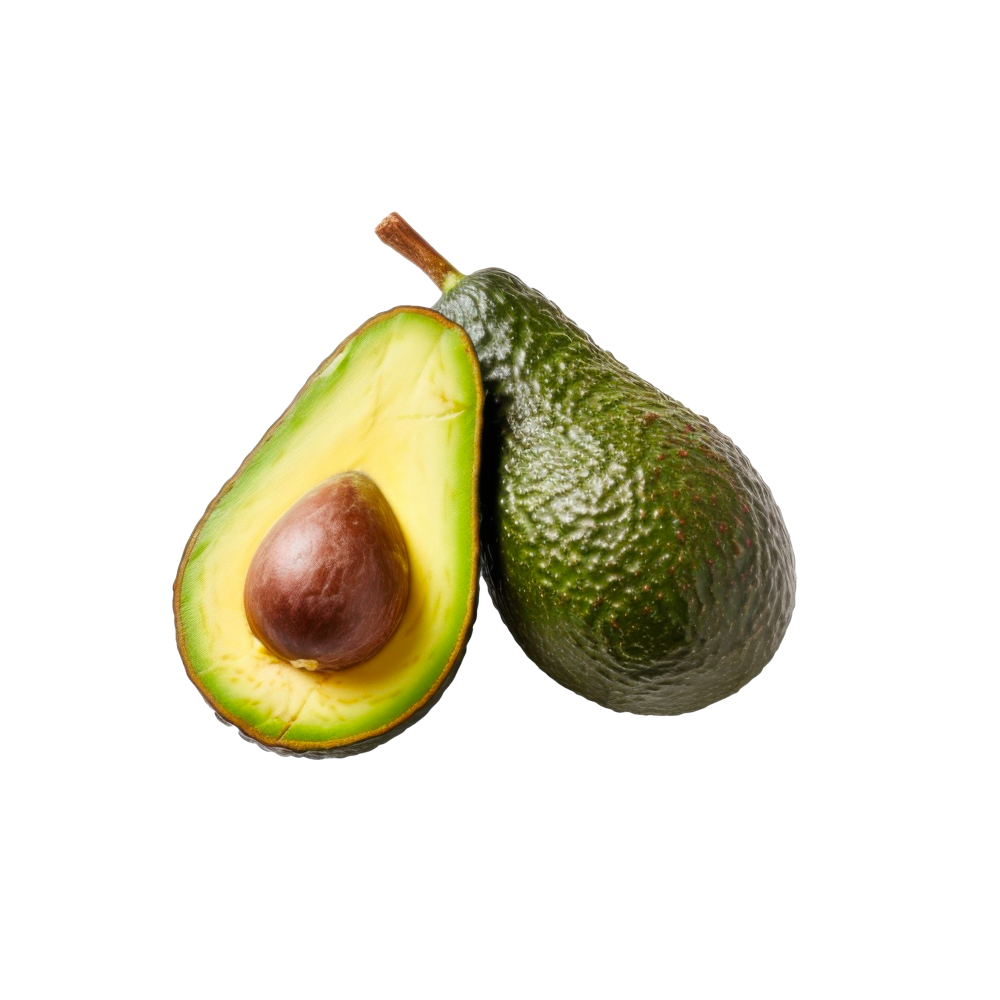
The Avocado (Persea Americana) is a drupe belonging to the Lauraceae family, like the Laurel, the Cinnamon or the Camphor. There are 3 main breeds: the Mexican suitable for tropical plateaus, the Guatemalan suitable for medium altitudes and the West Indian one grown in humid plains. Most of the varieties (there are hundreds of them) are given by the hybridization of 2 of these breeds. It is a climacteric fruit, in fact it ripens only once detached from the tree. It seems that this ability, excellent for growers as it allows them to harvest fruit only when they have reached the right size, is due to particular C7 complex sugars (mannoptulose and perseitol) which function as maturation regulators; their typical concentration in the different varieties would also explain the greater or lesser speed of ripening of the fruit once harvested. One of the characteristics of avocado is its deficiency of simple sugars and its high oil content. The latter increases more during the growth phases and its accumulation is interrupted when the fruit is harvested, therefore not continuing during its ripening.
Avocado is quite unique not only from a compositional point of view but also has a very particular and complex physiology compared to other fruits. For example, the flowering period can last up to 3 months; thus, fruits with a wide range of physiological ages will be present on the same tree. In addition, fruit set is extremely low, occurring in just under 0.1% of the flowers. The fruits can remain hanging on the tree for more than 12 months, much longer than the 5-6 months required to reach pre-harvest basal maturity.
As regards pollination, I refer you to reading ours “The sexuality of Avocado”, present in this same blog, which explains the extraordinary mechanism of “synchronous dichogomy”.
Unlike most fruits in which the determinant of quality is given by the balance between sugars and organic acids, for avocado it is given by the balance between the oil content and the fatty acid profile and is expressed by the substance value dry.
For the ripening of the fruits and their size, some plant hormones synthesized by the plant such as Auxins and Gibberellins would be of great importance.
They would act above all during the fruit setting and water retention processes. Ascorbic acid (vitamin C) and Ethylene would also be great biochemical regulators. The first, due to its proverbial anti-oxidative capacity, decreasing during post-harvest maturation, makes the pulp more susceptible to degradation and fungal processes. Ethylene, on the other hand, being produced by the plant almost exclusively after harvesting, increases the speed of the maturation processes. During ripening the fruit loses a lot of water and this can translate into a weight loss of up to 10%.
The biochemistry of this fruit is still largely to be discovered. There are many studies carried out also because understanding primary metabolism is equivalent to being able to apply, by producers and large-scale retail trade, transport and conservation methods that are increasingly aimed at not influencing the quality and taste of the fruit.
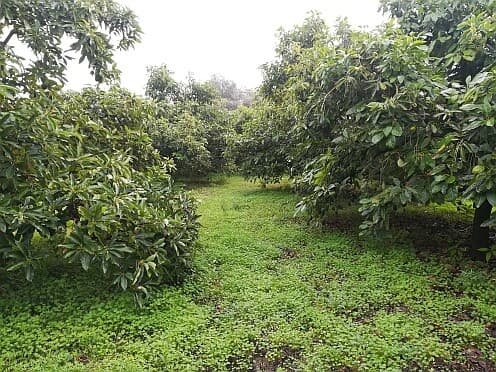
We at AvocadoBio don't have these problems: we use exclusively organic fertilizers, we don't resort to herbicides, we practice mowing grass and not working with tractors, we don't have cold rooms to preserve the fruits and we don't use ethylene to accelerate their ripening.
Simply put . . . . with us nature takes its course.